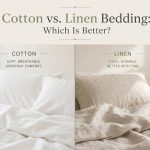

Bed sheets have a surprisingly large influence on everyday comfort. They are in direct contact with the skin for hours at a time, yet they are often chosen based on color, price, or an attractive product photograph.
A sheet that looks luxurious may feel uncomfortable after a few nights, while a relatively simple cotton set can provide years of reliable use. The difference usually comes down to fabric construction, fiber quality, fit, and how the bedding is maintained.
Before buying a new set, it is worth understanding which features genuinely matter and which are mostly marketing details.
Start With the Fabric
The fiber used to make a sheet affects its texture, breathability, durability, and maintenance requirements.
Cotton remains one of the most widely used choices. It is available in different weights and constructions, making it suitable for a broad range of sleeping preferences.
Cotton percale usually has a crisp, breathable feel. Its plain weave creates a matte surface that many people prefer in warmer weather.
Cotton sateen has a smoother finish and a slight sheen. It can feel softer and warmer against the skin, although the actual sensation depends on the fabric weight and quality.
Linen is another option for people who prefer a textured, relaxed appearance. It is breathable and becomes softer with use, but it generally wrinkles more than cotton.
Microfiber sheets, commonly made from finely woven polyester fibers, are often inexpensive and easy to care for. They can feel smooth, but some people find them less breathable than lightweight cotton or linen.
Bamboo-derived fabrics are also common in bedding products. Their actual characteristics depend on how the fibers are processed and manufactured, so it is important to read the material description carefully rather than assuming that every bamboo-labeled sheet performs the same way.
Understand Thread Count
Thread count is frequently used to market bed sheets, but a higher number does not automatically indicate better quality.
It refers to the number of threads woven into one square inch of fabric, counting both lengthwise and crosswise threads. However, the way yarns are constructed and measured can affect the reported figure.
A moderate thread count made from good-quality cotton can feel better than a very high thread count produced using inferior fibers or misleading counting methods.
Extremely high thread-count claims should therefore be treated cautiously. Instead of focusing on one number, consider the fabric type, weave, fiber quality, and actual feel.
If you are shopping online, look for clear product specifications and reliable customer feedback. If possible, examine a physical sample before making a larger purchase.
Choose the Right Weave
The weave affects the surface texture and performance of a sheet.
Percale is a plain weave that produces a crisp, lightweight fabric. It is often preferred by people who dislike heavy or overly smooth bedding.
Sateen uses a different weave structure that exposes more yarn surface, creating a smoother finish and a subtle sheen. It can feel slightly warmer and more draped.
Jersey sheets are knitted rather than woven. They tend to stretch and feel similar to a soft T-shirt, which some people find comfortable.
There is no universally superior weave. The best option depends on whether you prefer crispness, smoothness, stretch, or a more natural texture.
Measure Your Mattress Properly
Even excellent sheets can be frustrating if they do not fit the mattress.
Start by checking the mattress length and width. Standard mattress sizes vary between countries, so do not rely entirely on labels such as queen or king.
Depth is equally important. Pillow-top mattresses and thick mattress toppers may require deeper fitted sheets than standard mattresses.
Measure the mattress from its top surface to the bottom edge, including any topper that will remain in place. Compare this measurement with the fitted-sheet pocket depth specified by the manufacturer.
A sheet that is too shallow may pull away from the corners during the night. One that is excessively large can wrinkle and bunch beneath the body.
Also check the dimensions of flat sheets and pillowcases, especially if you use unusually large pillows or bedding from different manufacturers.
Consider Your Sleeping Temperature
People experience bedding temperatures differently.
If you tend to feel warm during the night, lightweight cotton percale or linen may be worth considering. These materials generally allow more airflow than heavier fabrics.
If you prefer a warmer sleeping surface, cotton sateen or brushed cotton may be more suitable.
The room itself also matters. A breathable sheet cannot compensate for a bedroom that is excessively hot or poorly ventilated.
Consider the complete bedding arrangement, including mattress protectors, duvet covers, blankets, and pillows. Several thick layers can trap more heat than the sheet itself.
Check Construction and Finishing
Small manufacturing details can affect how long sheets remain comfortable.
Look for neat seams, securely attached elastic, and consistent stitching. Fitted sheets should have elastic that holds the fabric in place without making it difficult to stretch over the mattress.
Loose threads, uneven hems, and weak elastic may indicate poor construction.
Color and finishing are also worth considering. Very dark or heavily dyed sheets may require careful washing, particularly during the first few cycles.
For people with sensitive skin, it may be helpful to choose products with clear material information and follow washing instructions before first use.
Think About Maintenance Before Buying
A sheet that requires complicated care may not be suitable for a busy household.
Cotton is generally easy to wash, although some varieties can shrink if exposed to excessive heat.
Linen may wrinkle more noticeably but is relatively straightforward to maintain when washed according to its care instructions.
Microfiber usually dries quickly, but it can attract lint and may develop static under certain conditions.
Wash bedding regularly according to household needs and manufacturer guidance. Avoid using excessive detergent, which can leave residue in the fabric and affect how it feels.
If you use a dryer, choose an appropriate setting and remove sheets promptly to reduce unnecessary wrinkling.
How Many Sets Do You Need?
For everyday use, having at least two complete sheet sets is practical. One can be in use while the other is being washed or stored.
A third set may be useful for households with children, pets, or frequent visitors.
There is little benefit in purchasing many sets if they take up unnecessary storage space. Focus on a small collection of comfortable, durable bedding rather than accumulating different styles that rarely get used.
Choose Comfort Over Marketing Claims
When shopping for bed sheets, it is easy to become distracted by thread counts, luxury labels, and attractive packaging.
A better approach is to compare fabric type, weave, dimensions, construction, and care requirements.
Think about how the sheets will feel against your skin, whether they suit your sleeping temperature, and whether they can withstand your normal washing routine.
The most comfortable bed sheets are not necessarily the most expensive. They are the ones that fit properly, feel pleasant, and remain practical long after the initial purchase.
Related posts: